A Veteran's Reflections

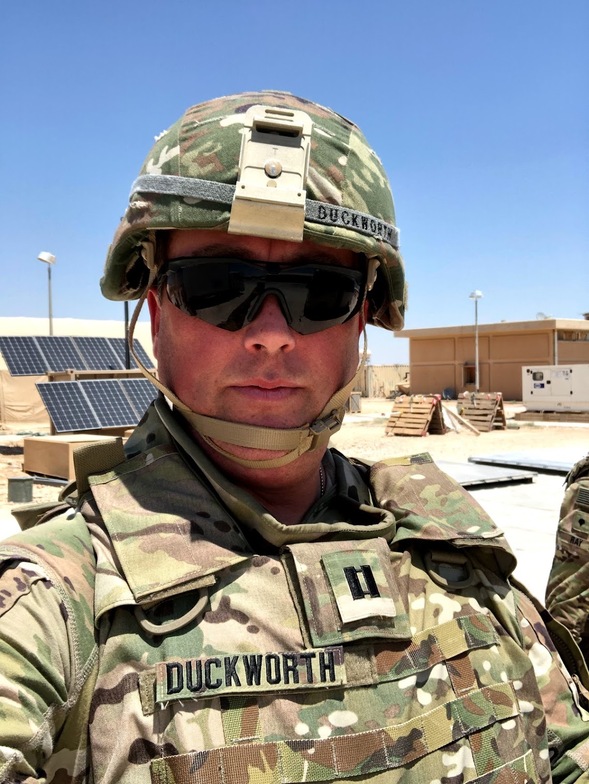
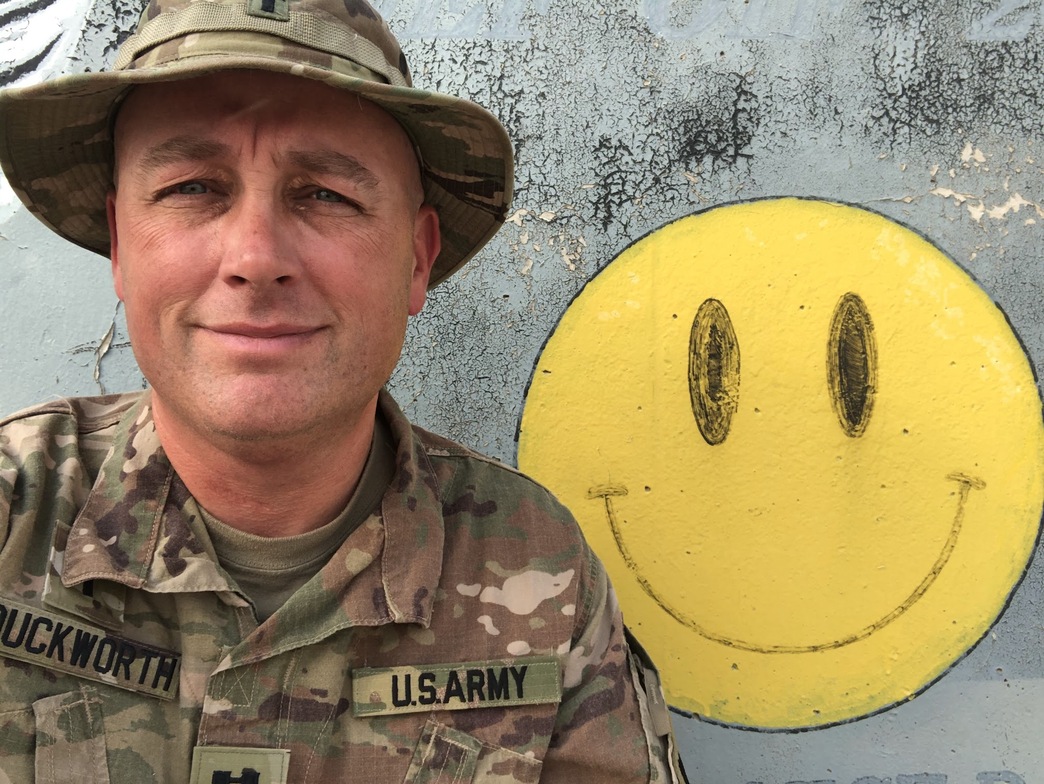
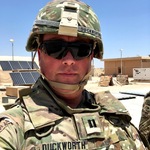
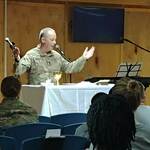
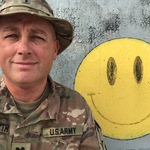
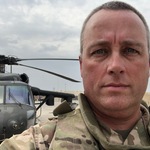
This weekend in worship we will bless veterans, recognizing their service to neighbor and nation as a faithful means of following Christ’s own example of selflessness and humility. All veterans are welcome to come forward for a blessing, and to wear or carry with them a symbol of their service.
Most of my symbols or tokens of military service are back in Indiana - my uniforms, a few awards, uniform patches, and the like. My Army footlocker is here in Florida - it makes for great storage of dog food and dog-related supplies - but I’m not dragging my footlocker to church on Sunday.
But there are two items from my military service that I have with me here in Florida - one of which I continue to use regularly in my civilian ministry.
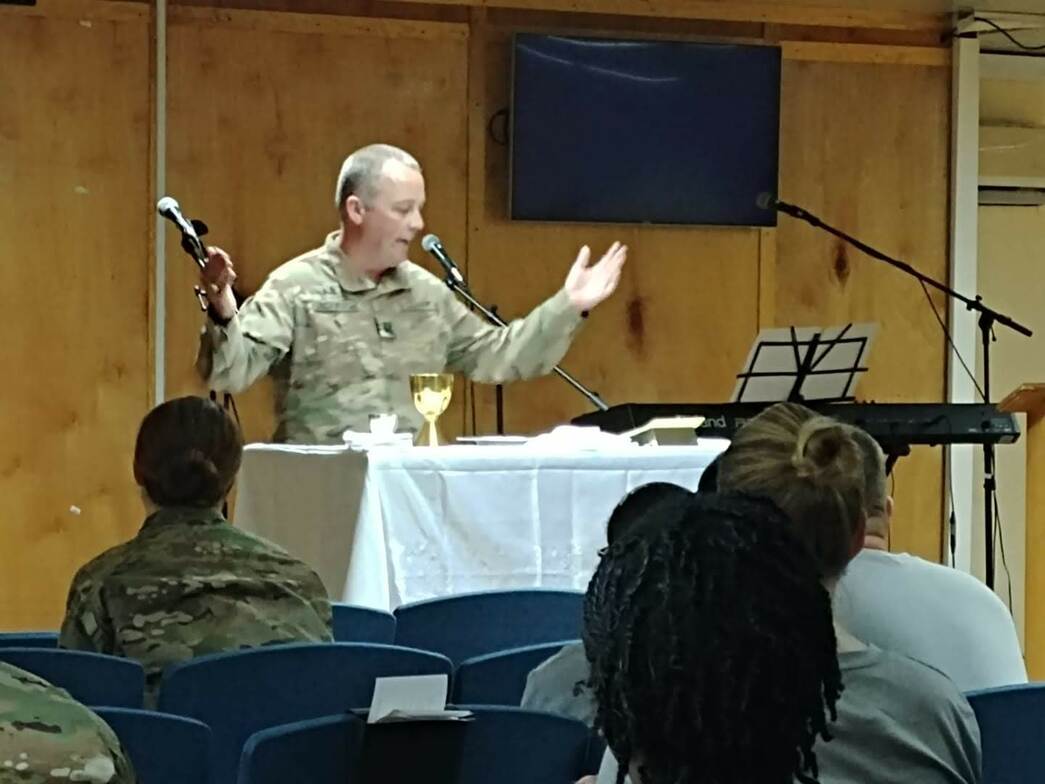
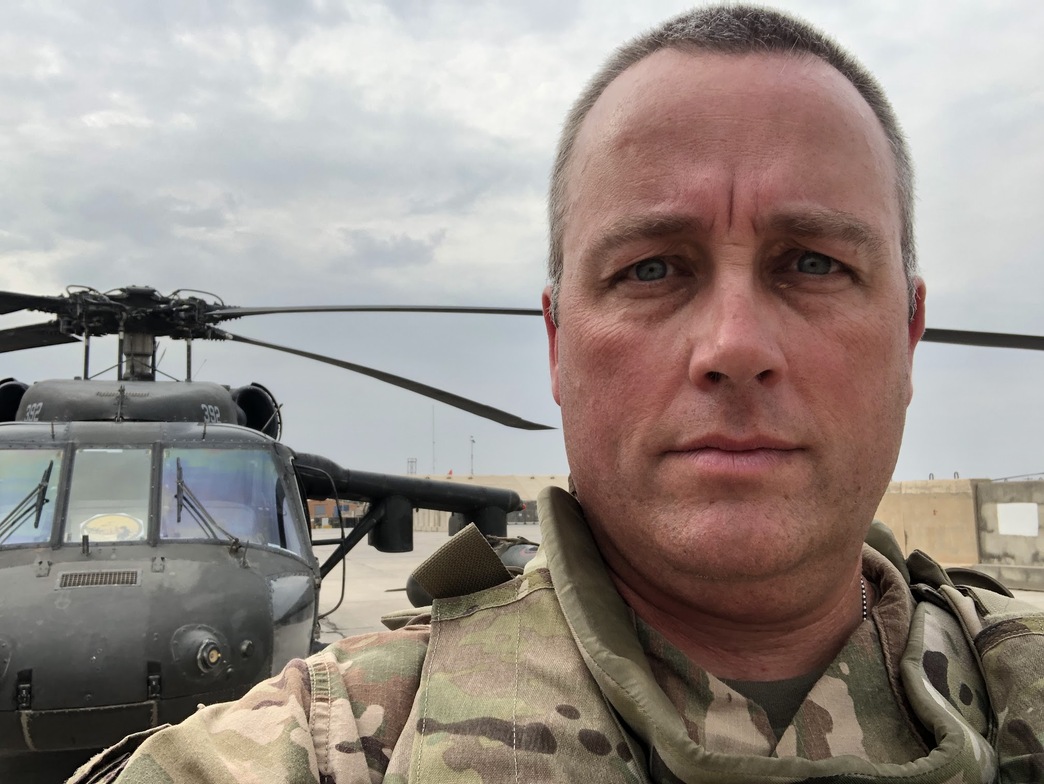
The first is my communion kit. When I was flying around into and around Iraq (and even into eastern Syria for one afternoon) I had a communion kit strapped to my body armor. In fact, the kit was contained in a pouch similar to what armed Soldiers would use to store ammunition magazines or grenades. But my pouch contained a small chalice (cup) and paten (plate), simple altar clothes, a collapsible cross, and containers for wine and bread. It is a great, portable, and durable communion set, one that has shared Christ's promised presence with Soldiers from Indiana to Iraq, and with hospitalized and homebound church members in Indiana and Florida. This kit is a symbol of the ministry I carried out as a Chaplain in the United States Army and continue to perform as a Pastor in the Evangelical Lutheran Church in America.
I also carried in my body armor the Lutheran Prayerbook for the Armed Forces. It's a small book with essential prayers, brief liturgies, and Bible verses for use by Chaplains and by lay Soldiers alike. The prayerbook contains prayers to be said at time of death for Christian Soldiers, but also for Jewish and Muslim Soldiers.
You see, as a Chaplain primary job was to perform and provide religious support for all Soldiers. I wasn't just there for the Lutheran Soldiers, or the Protestant Soldiers, or the Christian Soldiers ... but for ALL Soldiers in the pluralistic setting of the Army. A chaplain's job is to perform religious support whenever they can; and, when they can't directly provide the religious support, they are to provide for a Soldier's religious needs by requesting the resources, personnel, accommodations, time, and space for them to practice their faith.
As such, I once helped a group of Jewish Soldiers convene a minyan (10 Jewish Soldiers) to offer shabbat prayers on the flightline at Camp Buehring in Kuwait. Some of the Soldiers were overtaken with emotion as they turned toward the setting sun in the west to pray facing Jerusalem. As Americans they had only ever prayed facing east.
On another occasion I supported a group of Latter Day Saints Soldiers to attend a special event at Camp Arifjan, where one of the Latter Day Saints Twelve Apostles was visiting. Their joy in meeting one of their spiritual elders was palpable and truly delightful to behold.
On another occasion I worked with a Soldier seeking a religious accommodation to wear a beard in keeping with his Norse/Pagan religious commitments.
And of course, I was on a team leading traditional Protestant chapel service every Sunday morning, conducted Bible studies during the week, provided pastoral care every day, supported Soldiers enduring assault and harassment from other Soldiers, and advised the commander on matters related to religion, morals, ethics, and morale.
It was good and holy work. I miss it. And, I'm grateful to have done it for a season of my life.
Serving as a Christian chaplain in a pluralistic setting honed my heart toward humility, for my call was not to impose my faith nor to assert my religious preferences over others. Instead, my duty was to serve all Soldiers to the best of my ability, to aid them in exercising their First Amendment right to free expression of religion. There is no contradiction in this mission, for in helping my fellow Soldier with their religious needs I put their needs first. It's a humble calling, one rooted in love for those I served and in a constitutional duty to guarantee the free expression of religion for all Soldiers in my care.

-
Location